
Background and Context:
Ms. Aisha, a 39-year-old housewife, lives in Mian Rodi village in Shindand district. She is married and cares for her family at home. In June 2025, she sought support at the Mian Rodi Basic Health Center (BHC), presenting with persistent sadness, severe anxiety, low energy, lack of motivation, excessive worry, memory problems, self-critical thoughts, and experiences of domestic violence from her husband. She described her daily life as overwhelming and expressed difficulty in managing household tasks, caring for her children, and maintaining relationships within her family. She also voiced profound concern about her future and the wellbeing of her children.
Before the intervention, Ms. Aisha’s psychosocial and mental health struggles were compounded by limited access to support services in her area. The community had historically lacked a local health facility, making it difficult for residents to receive medical care, psychosocial support, or treatment for their children. Ms. Aisha’s situation reflected both the individual and systemic challenges many women in her community face, including domestic violence, psychosocial stressors, and restricted access to health and mental health services.
Assessment and Diagnosis:
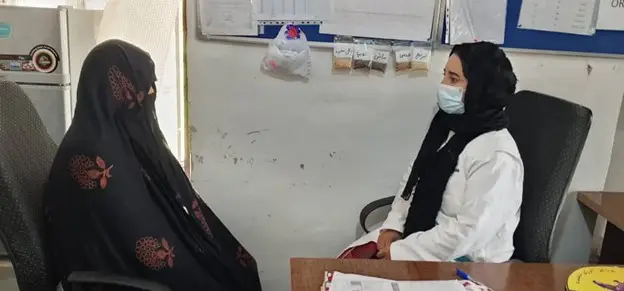
Upon her first visit to the Mian Rodi BHC, trained counselor Ms.Razia Sadat conducted a comprehensive assessment. Using standardized tools for evaluating depression and anxiety, they identified that Ms. Aisha was experiencing moderate depression and severe anxiety. The root causes included domestic violence, ongoing psychosocial stress, and difficulties coping with daily responsibilities. The counselors observed that these challenges were not only affecting her mental wellbeing but also her physical energy, her interactions with family members, and her ability to manage routine household activities.
Ms. Aisha shared openly about her struggles: “I feel tired all the time, sad, and anxious. I can’t manage my household, and I feel disconnected from my children and husband. I worry about what will happen to us in the future.” Her honesty allowed the counselors to create a tailored support plan focused on both her mental health and her broader social wellbeing.
Intervention and Support
The DAWAM project designed a structured two-month MHPSS program for Ms. Aisha. This program included six counseling sessions, each focused on building resilience, coping strategies, and practical skills for daily life. The sessions included:
1. Stress Management and Relaxation Techniques: Ms. Aisha learned how to recognize stress triggers, practice relaxation exercises, and regulate her emotional responses.
2. Coping Skills Development: She was trained in strategies to manage negative thoughts, reduce anxiety, and handle emotionally challenging situations.
3. Self-Esteem and Self-Efficacy Enhancement: Activities and discussions helped Ms. Aisha rebuild confidence in her abilities and trust in her own judgment.
4. Healthy Family Communication: The program taught methods for positive interactions with family members, helping reduce conflict and promote mutual understanding.
5. Practical Application: Ms. Aisha was guided in applying these techniques in her everyday life, including household management, childcare, and personal wellbeing.
In addition to psychological counseling, the health center provided social support by connecting Ms. Aisha with local resources and helping her understand the importance of seeking help when needed. This holistic approach ensured that interventions addressed both immediate mental health needs and long-term psychosocial wellbeing.
Progress and Transformation
By the end of her six counseling sessions in August 2025, Ms. Aisha experienced significant improvements in her mental and emotional health. She reported that her mood had stabilized, anxiety had decreased substantially, and her energy and motivation had returned. She also noticed remarkable changes in her family life: interactions with her husband and children became more affectionate, cooperative, and positive. She regained the ability to manage household responsibilities fully and felt empowered to face daily challenges with confidence.
Ms. Aisha described her progress: “I feel like a strong and energetic woman again. My family and I are happier. I can manage my household and my life with confidence. The support from the health center has truly changed my life.” She noted that the counseling not only helped her cope with her own mental health challenges but also improved her relationships, creating a more supportive and nurturing environment for her children.
Impact of the DAWAM Supported BHC:
Beyond individual mental health recovery, Ms. Aisha highlighted the broader significance of the Mian Rodi BHC for her community. She praised the center for providing accessible health services in an area that previously lacked medical facilities. She shared that one of her children, who was severely malnourished, received treatment at the center, preventing further health complications.
She reflected on the difference the health center made in the community: “Before this health center existed, we faced serious challenges. We didn’t have access to medical care, transportation to far clinics was impossible, and we couldn’t afford private care. Now, this center meets most of our healthcare needs. I am grateful to all the staff for their dedication and support.”
Measurable Outcomes and Behavioral Changes
The intervention led to clear, observable outcomes:
• Reduction in symptoms of depression and anxiety, as reported by Ms. Aisha and observed by counselors
• Increased energy and motivation to carry out daily household responsibilities
• Improved communication and relationships within the family, including with her husband and children
• Enhanced self-confidence and belief in her own capabilities
These measurable outcomes demonstrate the effectiveness of structured MHPSS interventions in improving both mental health and social functioning.
Conclusion
Ms. Aisha’s story illustrates the transformative impact of MHPSS support provided through the DAWAM project. By addressing both psychological and social factors, the project helped her overcome depression, anxiety, and the effects of domestic violence. It also strengthened her relationships, empowered her in daily life, and contributed to the wellbeing of her children and family.
Her experience reflects the broader importance of accessible health and psychosocial services in underserved communities. Through this intervention, Ms. Aisha regained hope, resilience, and a sense of joy in her life. She continues to serve as an inspiring example of how MHPSS programs can create meaningful change for individuals and communities alike.
Photo: Ms. Aisha / Mian Rodi BHC / Counseling Sessions