
How DAWAM-supported maternal and newborn health services helped a vulnerable mother access skilled care in Shindand District, Herat Province.
When an ultrasound showed that she was carrying twins, 31-year-old Zeba felt both joy and fear. She was happy to be expecting two babies, but worried about how her body would cope and whether the pregnancy could put her life at risk.
“On one hand, I was happy that God had blessed me with two babies from one pregnancy. But on the other hand, I worried about how my weak and fragile body would cope. I was afraid I might become anemic or even die during delivery,” Zeba explained.
The ultrasound was carried out at Shindand District Hospital on 13 February 2026. Alongside her concerns about the pregnancy, Zeba worried about what would happen when labor began. She feared it might start at night when no one would be available to take her to a health facility or support her during delivery.
Zeba had limited information about birth preparedness because she had not previously attended Mian Rodi BHC for antenatal care. Her husband was in Iran working to support the family, and she and her family were concerned about arranging transport and paying for delivery and medicines. Neighbors recommended Mian Rodi, telling her that the midwife was kind and respectful, services and medicines were free, and women could receive care at night. Their reassurance gave Zeba more confidence, although she was not certain that all the services would be available when she needed them.
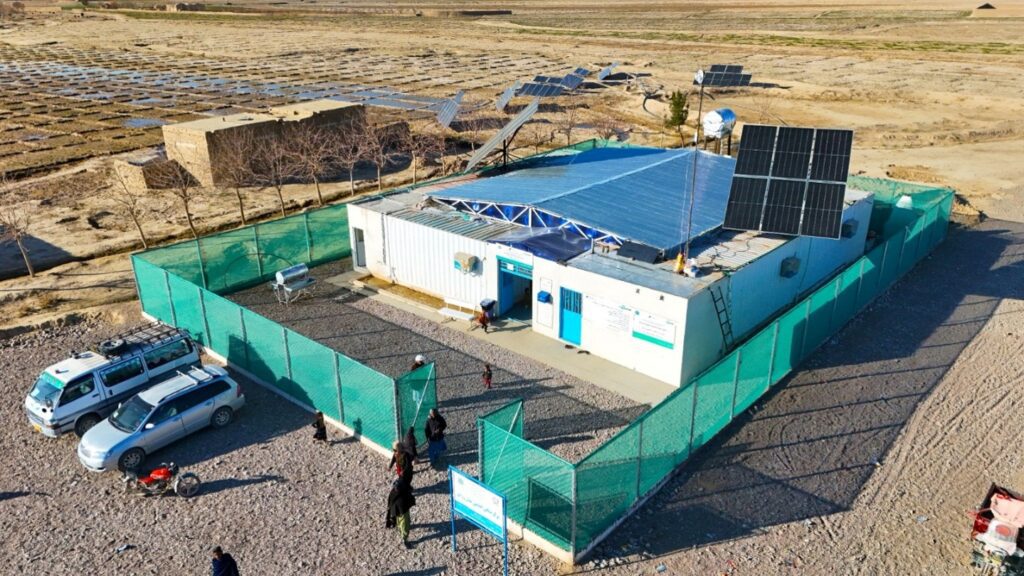
Figure1: Mian Rodi BHC, a DAWAM-supported health facility in Shindand, Herat. Photo: Samea Amiri/AADA, 13 September 2026.
When labor began on 16 March 2026, Zeba’s brother-in-law took her by car to Mian Rodi BHC. With her husband away in Iran, he helped her reach the facility. The family chose Mian Rodi because neighbors had spoken positively about the midwife and the care available there, including free services and support at night.
When Zeba arrived, the health team assessed her condition and monitored her vital signs and the babies. During active labor, the team identified that Baby 1 was in a breech presentation, adding another clinical concern to an already high-risk twin delivery.
The midwife and team monitored labor using a partograph and prepared to respond to possible complications, including postpartum bleeding and newborn difficulties. Zeba gave birth vaginally, with Baby 1 in breech presentation. Emergency obstetric care was provided as needed. The team’s preparation meant that skilled staff and essential resources were available as the delivery unfolded, although the outcome could not be known in advance.
Zeba gave birth to two boys, each weighing 2,000 grams. Baby 1 had an Apgar score of 8/10 and Baby 2 had an Apgar score of 9/10.
No newborn resuscitation was required. The team suctioned mucus from the babies’ airways; neither baby needed oxygen. Both received immediate newborn care and were monitored after birth. At follow-up, both babies were stable and in good condition, and Zeba was clinically stable. She received postnatal care, iron supplementation and counselling on maternal and newborn care, danger signs and follow-up.
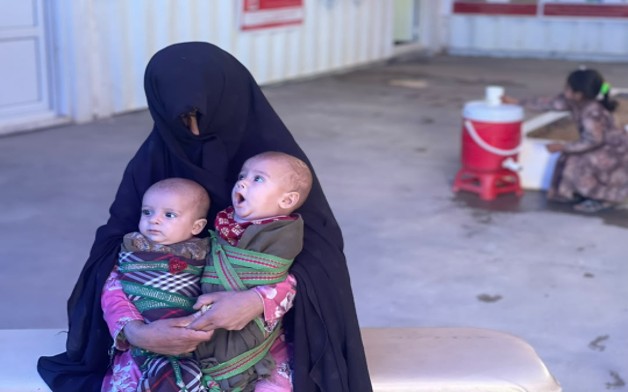
Figure 2: Zeba speaks about her experience receiving maternal and newborn health services at Mian Rodi BHC. Photo: Samea Amiri/AADA, 13 September 2026.
Care Without the Financial Burden
The cost of delivery and medicines was a major worry for Zeba and her family, particularly after she learned she was carrying twins. Neighbors reassured her that Mian Rodi BHC provided services and medicines free of charge and had a midwife whom women trusted. Although Zeba was not completely sure that all the support would be available, this information eased some of her worries and gave her more confidence about seeking care there.
At Mian Rodi BHC, all required delivery medicines and services were provided free of charge. This meant Zeba could receive the care she needed without her family having to pay for the delivery services and medicines.
For Zeba’s family, free care mattered because they were already worried about how they would meet the costs of childbirth. Her experience shows how trusted information, a nearby facility and services available without charge can help families feel more able to seek care when labor begins.
Strengthening Maternal and Newborn Health Services
DAWAM supports Mian Rodi BHC through skilled and experienced midwives, 24-hour services, medical equipment and supplies, and training support.
In Zeba’s case, these resources were available when she arrived in labor. The team assessed her condition, monitored labor, identified the breech presentation, provided skilled birth attendance and prepared to manage possible complications. DAWAM could not guarantee the outcome in advance, but its support helped ensure that skilled staff and essential resources were available when Zeba needed care.
Mian Rodi BHC provides Basic Emergency Obstetric and Newborn Care (BEmONC), supporting its role in responding to maternal and newborn health needs.
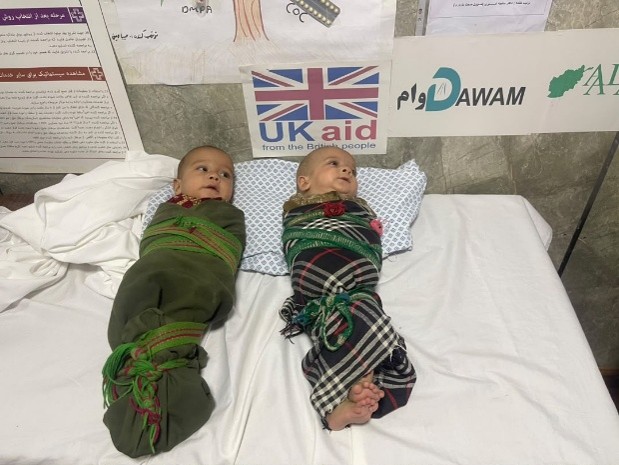
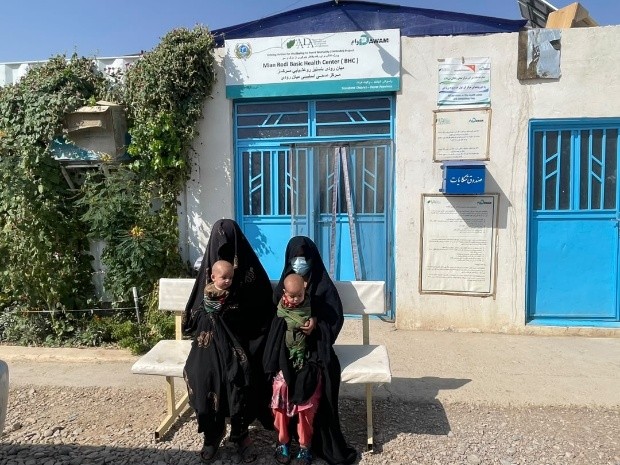
Figure 3: Zeba’s newborn twins following delivery at Mian Rodi BHC. Photo: Samea Amiri/AADA, 13 September 2026.
After the delivery, Zeba was relieved that she and her babies had received the care they needed. The availability of free services and a midwife her family had been encouraged to trust had helped them through a period of uncertainty.
“I was very worried because my family could not afford the cost of delivery and medicines. I am very grateful that I received the care I needed free of charge at the DAWAM-supported health facility. The midwife took very good care of me and my babies, and I am very satisfied with the services provided.”
Zeba, mother of the newborn twins
Hasiba, midwife at Mian Rodi BHC, said:
“The DAWAM project played an important role in addressing this family’s challenges by providing free health services, essential medicines, and the necessary facilities and support to ensure a safe delivery for the mother and her newborns.”
Zeba’s experience highlights why women need timely access to skilled and affordable maternal and newborn health care, particularly when pregnancy brings added risks and families face financial constraints.
DAWAM’s support to Mian Rodi BHC included skilled staff, essential supplies, training and 24-hour services. These resources helped the health team assess Zeba, respond to the breech presentation and provide care to her and her newborns.
The story also highlights the role of trusted local information. Neighbors’ recommendations helped Zeba’s family feel more confident about seeking care, while free services reduced the financial barrier they feared.
For families like Zeba’s, accessible local maternal and newborn health services can make a meaningful difference: not by removing every risk, but by ensuring that skilled care is available when it is needed.